Articles by "cooking"

                                                       Welcome to Masala Talks
                                      Benefits of Eating Vegan
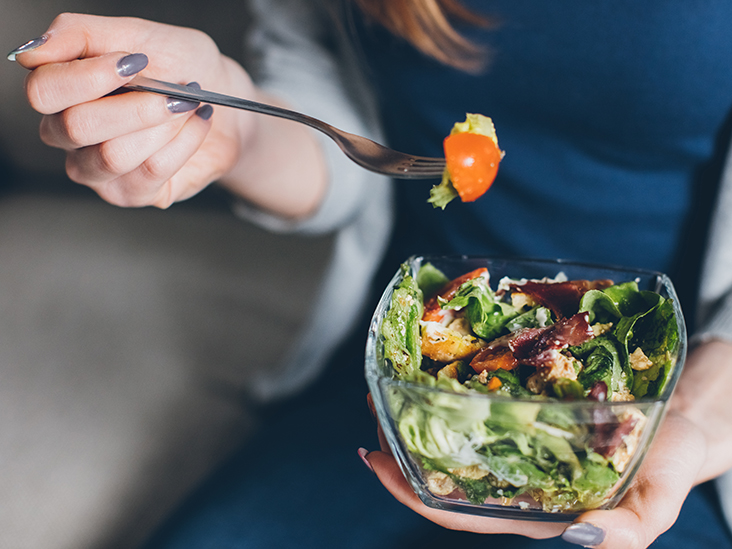

With a large number of people being swept up into the ideas of a greener lifestyle it is no wonder that many people are turning Vegan as well.  For the vast majority of people a Vegan lifestyle is aligned to going back to the old ways, which is also considered much healthier.  If you are still not sure whether the idea of a Vegan lifestyle is perfect for you there are several things that you should thoroughly consider first.  If you are just rushing out to get a healthy lifestyle without considering all of the benefits of eating Vegan you could be in for a rather alarming surprise.

Many people discover Vegan eating through their quest to eat healthier.  By doing this it is possible to find a healthier lifestyle and ensure that you are getting the biggest benefits for not only yourself but also the environment.  Many environmental groups claim that Vegan is the ultimate way to go green with your eating habits.  In many ways, they are very correct and because of this, many people are turning to a Vegan lifestyle like never before.  While many people might only claim to life a truly green lifestyle those who are eating Vegan as well are really living the lifestyle instead of just talking it.

Other benefits to eating Vegan is the decrease in blood sugar levels.  This is something that is extremely beneficial for diabetics because it can substantially lower the need to use insulin and other medications to control blood sugar levels.  However, if you are being treated by a doctor for any reason you should talk to your doctor before changing your diet significantly to ensure that you are getting all of the nutrients and benefits that you really need.  Making changes without talking to your doctor could have devastating consequences and will only take a few minutes of your time to ensure that you stay as healthy as possible.

People who avoid eating meat are also often able to lose weight much faster.  Many of the reasons for this is due to the increase in carbohydrates in vegetables as well as the decrease in calories and fats.  Plus many of the fruits and vegetables that are common in a Vegan diet also assist in weight loss due to their negative calorie effect.  While this is not a huge benefit for all people, it is something that can be a massive help if you are trying to lose weight.  Of course, working to eat only fresh fruits and vegetables as opposed to highly processes foods will help to really maximize the negative calorie impact.

A Vegan diet also has a huge perk of providing a substantially lower fat content to your diet as well.  Consuming excessive amounts of dairy products as well as meats tends to be closely accompanied by fat; by omitting substantial amounts of fat from your diet, you can make some substantial differences to not only our physical health, but also make great improvements to lower your weight.  This can provide you with ample reasons to lower your intake of meat if you have been struggling to actually manage your weight.

A final benefit is that you are consuming far more carbohydrates on a Vegan diet.  This has been considered good because it provides a great source of energy all during the day.  Foods such as meats tend to be extremely low on carbohydrates, while being much higher on protein.  While protein is an essential part of your diet it can take much longer to digest, which will allow you to pack on weight faster and have lower energy levels.  If you are instead looking to increase the amount of fruits and vegetables that you consume you will find that your energy level will go up significantly.  However, you should still ensure that you are consuming ample protein to fully protect your system and receive all of the nutrition that you need.
                          Welcome To Masala Talks                                                        Avoiding Negative Consequences of Vegan Eating


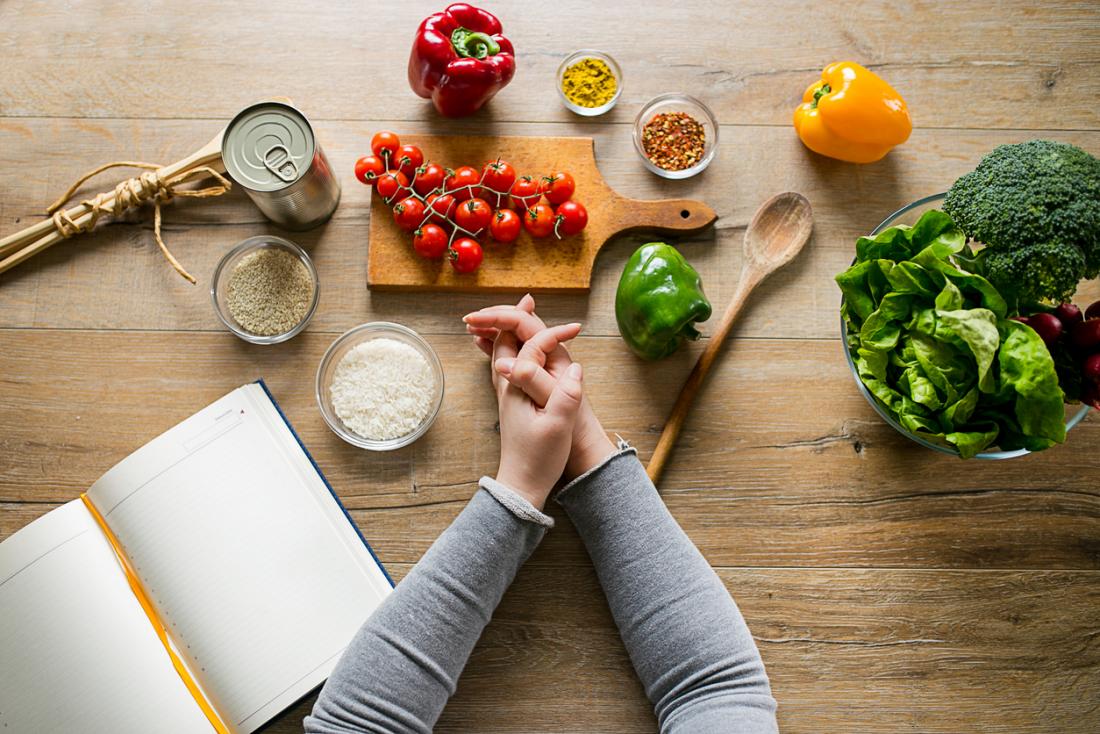
If you are considering a vegan diet you have no doubt heard about all of the benefits that the lifestyle offers.  What is often overlooked is some of the potential consequences that can occur as well.  While each family is likely to have a unique experience in their journey towards vegan happiness there are a few things that you can typically expect to occur.  Learning what you can expect will allow you to properly plan ahead and ensure that your experience is positive.

Your first change is the lack of animal products.  If you are not a major meat eater, this might not be huge for you.  However, perhaps you are a huge fan of ice cream.  This just became a serious no-no in your diet.  Now you need to start looking for some alternative products that you can enjoy just as much.  This might take some time but you should certainly look to specials and sales to help you save as much money as possible while still getting some new foods to try.

Additional complications are the lack of variety.  Being able to choose amongst all of the foods in the world is a thrilling experience.  However if you are eating vegan you are typically omitting a large number of dishes immediately from the choices available.  This is a rather frustrating experience for some people, but for others it can be a great chance to expand their taste for veggies.  Look towards specific dishes that you know you like, or dishes that you are almost certain you will like in order to help smooth the transition.  Once you have started expanding your tastes you can become a bit pickier but finding anything delicious possible to begin with is very helpful.

If you are used to having dairy products and do not think you can give them up you should begin looking for some suitable alternatives before you actually make the switch to vegan.  This should include milk, cheese, yogurt, ice cream and other dairy products that you might typically consume.  Most dairy products offer a vegan appropriate option that you can choose, however not all versions taste the same.  You should spend a bit of time trying several different brands until you find something that you really like.

Additional concerns should be working to decide what is most important to you as you begin making the transition to vegan.  If you attempt to change everything at once you are just asking for trouble.  Which aspect of veganism would you like to adopt first.  Omitting meat?  Perhaps choosing to eliminate all of the dairy products from your meals?  Maybe you would even like to start searching for a healthy supply of fruits and vegetables.  These are all suggestions of things you can do to start the process slowly so that you are able to successfully make the transition.

You should also come to terms with the fact that many people spend several months making the entire transition to vegan eating.  This is quite common and is not something to be ashamed of at all.  If you need additional time, you are not going to be considered a failure to vegan eating.  You are working to build a new lifestyle, not simply drop a bit of weight so the slower you go the more likely you are to be truly successful.

Welcome To Masala Talks
Avoiding Health Problems When Eating Vegan


Deciding to pick up a new diet can be considered a pain and a major hassle.  On the other hand, choosing to pick up an entirely new lifestyle and change your entire eating habits is a completely different story.  It can be a very fun and exciting time in your life, but it is also a time in your life that will require a bit of effort to make the right decision.  There are so many ways that adopting a new lifestyle can go wrong, especially when you are changing significantly the foods that you eat.  Working to ensure that you stay healthy is extremely important and needs to be done.

For the most part, anyone who chooses to become a Vegan will have a lot of success.  Working to stay healthy is not impossible, but it will typically require a bit of effort.  There are a lot of nutrients that are provided in meats and other animal products that you do need to be healthy.  If you simply turn to a Vegan lifestyle with no consideration for the nutrients and vitamins that you are now missing out on you will quickly discover that you are weakening your immune system.  Paying close attention to what you are eating, and more importantly, what you are missing is critical.

The majority of people who are looking to adopt a new lifestyle tend to do so for a long time, if not permanently.  This means it is very important to ensure you are learning the proper foods to eat to ensure you stay as healthy as possible.  The difference between a new lifestyle and a new diet is a diet is not intended to be followed permanently.  You are simply on a diet for a short period, in which you aim to fulfill your specific goals.  A lifestyle is something that you intend to stick to, which is why shortcomings in a lifestyle are much more important than a shortcoming in a diet.

Talking to your doctor is also extremely important.  This will help you to specifically identify any specific needs that you might have.  This would be important because you never know which nutrients are most important for you and your specific needs until you determine what type of physical condition you are presently in.  For the vast majority of people there are few serious needs when starting out, but knowing about any major problems ahead of time is always a good idea to see your doctor just in case.  This will also help you to set your mind at ease.

The biggest concern that you will have is the need to seek out plenty of nutrients.  This is important because it will help you to maintain your energy level as well as also make absolutely certain that you are getting plenty of the nutrients and health that you need to stay as healthy as possible.  If you find that you are not getting the proper nutrition it will be virtually impossible for you to maintain the lifestyle that you are trying to develop.

A small bit of effort put into proper planning will allow you to enjoy your venture into the Vegan lifestyle.  Talking to your doctor about any concerns that you have, as well as doing ample research to ensure that you are fully aware of any potential problems before they occur will be a key factor in determining how successful you are. Every year there are tons of people who adopt a vegan lifestyle, you too can join these people in living a healthier and greener lifestyle.  Small changes to your lifestyle can have huge impacts as long as you are careful and make wise decisions.  Rash decisions, however, can be very bad for your overall health.  This will make it extremely important to plan ahead to be certain you choose the right decisions for your lifestyle.

Welcome To Masala Talks
5 Ways To Eat Cock ( Chicken)


     HOW DO YOU PREPARE A COCK ANYWAY?
As I drove home, I began to think of the many ways I could prepare my first cock when I got home. I knew that the tough, dry nature of the meat meant that it would not lend itself to quick-cooking such as frying, sautéing or even baking. Whatever the preparation, it would require long cooking, preferably in a moist, liquid base. Some experts claim that if the cock is young enough – less than one year old – that it could be cooked just like a young spring chicken. These lean lads were a mere six months old but based upon Michelle’s experience with them, they were way too tough to be enjoyed by any of the faster cooking methods.
The French dish coq au vin came to mind first. This dish, which today is more commonly prepared with the female of the species, from its name, clearly originated with a rooster in the pot. The same goes for cock-a-leekie, a traditional Scottish soup, which despite its rather humorous name is quite delicious. I also recalled my mother telling me of cockerel (young cock) soup, a traditional Jamaican soup often fed to pregnant women to ensure that her baby would receive the best nutrition possible. Americans often chuckle to find cock soup sold in packets at West Indian grocery stores.
Unlike their female counterparts, cocks have a lean, sleek body type instead of a more rounded, voluptuous shape. As a result of this physique, they yield larger amounts of bone-building, stomach-soothing gelatin into every dish in which they appear, and a deep, rich flavor unparalleled by any hen.
One type of cock that does not fit this body type is the capon. Capons, or castrated cocks, are widely recognized as the best of both worlds for their nutritional value and delectable flavor. Since cocks do not lose part of their nutritional intake in the production of eggs, it is thought that they maintain more of the nutrition that they ingest within the body. However, the removal of the testes makes them prone to gaining weight in the same way that a hen would. Therefore the meat is plump, tender and juicy while maintaining its robust flavor and nutritional profile.
The more I contemplated the variety of ways that these birds could be prepared, the more I realized that cock could very well be lurking in nearly every processed “chicken” product on the market. On traditional farms (and presumably on commercial farms), the females of various animals tend to serve long-term functions in food products such as bearing offspring as well as producing milk and eggs. On the other hand, except oxen, which once upon a time would have been used to plow fields, male farm animals serve virtually no purpose once they have been used for breeding and therefore are often the first to end up on the dinner plate. The ornery cock is no exception to this rule. Something to think about that the next time you reach for chicken nuggets or canned chicken soup.
As you might imagine, today, it is rather difficult to find 50 recipes specifically calling for a cock as the main ingredient. I consulted many people around the globe about their countries’ cock-eating traditions and while nearly everyone had some anecdotal stories or advice to give about eating cock, very few were able to produce recipes requiring it as the main ingredient. Even their grandparents had forgotten the recipes their parents used to prepare for them.
Knowing the basic principles of long, moist-heat cooking I was able to adapt many chicken recipes to cock cookery. In fact, it is entirely possible that many of today’s recipes calling for a stewing hen would have used a cock interchangeably a century ago. So if you cannot find a cock, feel free to substitute a stewing hen or even a young spring chicken, if necessary.

COCK SOUP

Makes 4 quarts
Ingredients:
1 whole cock, preferably with head and feet on
1  large onion, sliced thinly
2  carrots, peeled and sliced on an angle
2  ribs celery, chopped thin
3  cups assorted diced vegetables (e.g. Leafy cooking greens, string beans, turnips, potatoes or anything lying at the bottom of your refrigerator)
4  quarts filtered water
1 Tbs raw cider vinegar
Sea salt to taste
Place cock, cider vinegar and filtered water into a large stockpot. Simmer covered for one hour over low heat. Remove any scum that accumulates at the top of the stock and discard.  Add all vegetables to the pot and continue to cook for another hour. Lift out cock and remove meat from bones. Reserve bones for making stock. Return meat to pot. Add sea salt and stir to dissolve. Serve hot.                                           SIMPLE DIGESTIVE BROTHServes 4  When I lived in Yugoslavia in the 1980s, this soup was often served at the start of the midday meal. So when my mother lost her appetite and started losing too much weight, I knew I had to stimulate her stomach to want more than just the occasional piece of bread.  Luckily, before she came for a visit, I had just made a pot of stock. When she arrived, she was barely able to move or interact and was shaking from severe hypoglycemia. After drinking a few cups of this, she left less than 48 hours later moving with less assistance and even had the energy to complain! Keeping with her broth regimen, within a few more days, her mobility continued to improve, she was fully engaging in conversation and most importantly had an appetite
Ingredients:
6 cups cock stock, strained
1/4 cup broken vermicelli noodles
2 Tbs parsley, finely chopped
Sea salt to taste
Heat stock in a medium-sized pot. Add vermicelli and cook according to directions (usually 3-4 minutes). Add parsley and salt to taste. Serve warm.
Simple broth revives the dead
                                                                 SALAD
      COCK & WHITE BEAN SALAD
Serves 6
It is important to remember whenever cooking beans that the initial soaking water must be drained and rinsed before the actual cooking. This removes the gassiness from the beans and makes eating them a pleasant experience instead of an embarrassing one.
Ingredients:
1/2 lb white beans (cannellini or navy, preferably), soaked in filtered water with a pinch of baking soda for 8 hours and drained*
2 cups cock meat leftover from making stock, chopped
1 shallot, thinly sliced
1/2 cup celery, chopped
1/4 cup red wine or sherry vinegar
1/4 cup or more extra virgin olive oil
1 small bunch of parsley, chopped
Sea salt and white pepper, to taste
After draining and rinsing beans, place them in a pot and cover with at least 2 inches of filtered water. Bring to a boil and cook for about an hour or until beans are soft, but not mushy.  Drain beans and place in a bowl. While still warm, add shallot, celery, red wine vinegar, olive oil, salt, and pepper. Toss to coat. Add chopped parsley and meat. Toss again. If the mixture seems dry, add more olive oil. Serve slightly warm with crusty sourdough bread or serve on lettuce leaves.
* A quicker way to soak beans is to place them in a pot covered with filtered water. Bring water to a boil for 5 minutes. Turn off heat and add a pinch of baking soda.
Allow sitting for one hour. Then drain and proceed with recipe.
        LINGUINE WITH COCK
IN LEMON CREAM SAUCE
Serves 8 as a first course
Most packs of pasta suggest serving a quarter pound of pasta per person. This is entirely too much to consume in one sitting. Italians rarely eat large portions of pasta as their main meal, but as a course that makes up the meal. My suggestion is to follow this dish with a nice refreshing garden salad and a glass of wine.
Ingredients:
1  lb. dried linguine, cooked according to manufacturer’s directions
2  Tbs butter
3  shallots finely chopped
2 cups heavy cream (not ultra-pasteurized)
1 lb. cock meat reserved from making stock, chopped
Juice of one lemon
Salt and ground white pepper to taste
In a large sauté pan, melt butter over medium heat. Add shallots and cook until translucent. Be careful not to brown. Next, add heavy cream. Bring mixture to a boil. Allow sauce to thicken slightly. Add cock meat and lemon juice. Continue to warm through and adjust seasonings. Thicken sauce a bit more if necessary. You want the final sauce to coat the pasta but still remain relatively loose. Add freshly drained (not rinsed) linguine to the sauce. Stir to blend. Use a little of the linguine’s cooking water to thin the sauce, if it seems too thick. Serve hot.
        ENTREE
BBQ CROCK POT COCK
Serves 6
Crockpots are a great timesaver that not enough people use regularly even though they complain about the lack of time to cook. Here is a wonderful recipe to come home to after a long day of work. Serve with a salad, sautéed greens and a small piece of cornbread or over rice.
Ingredients:
1 cock, cut into 8 pieces
Barbecue sauce to coat 
Sea salt and pepper, to taste
Place pieces of meat in the crockpot. Cover with barbecue sauce. Cook for 2-3 hours.
                 BARBECUE SAUCE
Ingredients:
3 Tbs extra virgin olive oil
1 medium onion, finely chopped
4 cloves garlic, minced
1/2 cup tomato paste
1/2 cup tomato purée
1/2 cup raw cider vinegar
1 Tbs blackstrap molasses
3 Tbs naturally dried cane sugar such as Rapadura or Sucanat
2 tsp hot paprika
1 Tbs sea salt
In a medium-sized pot, warm olive oil over medium heat. Add onion and garlic. Sauté for 5 minutes until slightly soft. Add remaining ingredients and cook, uncovered until thick. Purée in a blender
.APPENDIX
MEASUREMENTS & EQUIVALENTS
a dash = 8 drops (liquid) ≈ ⅛ teaspoon (slightly less)
1 tsp = 1 teaspoon = 60 drops
3 tsp = 3 teaspoons = 1 tablespoon = ½ fluid ounce
½ T = ½ tablespoon = 1½ teaspoons
2 T = 2 tablespoons (liquid) = 1 fluid ounce = ⅛ cup 3 T = 3 tablespoons = 1 ½ fluid ounces = 1 jigger
4 T = 4 tablespoons = ¼ cup
⅛ C = ⅛ cup = 2 tablespoons
⅙ C = ⅙  cup = 2 tablespoons + 2 teaspoons
⅓ C = ⅓  cup = 5 tablespoons + 1 teaspoon
1  C = 1 cup = ½ pint = 8 fluid ounces
2  C = 2 cups = 1 pint = 16 fluid ounces
4 C = 4 cups = 1 quart = 2 pints = 32 fluid ounces
4 quarts = 1 gallon
1 peck = 8 quarts = 2 gallons
1 bushel = 4 peck

MKRdezign

Contact Form

Name

Email *

Message *

Powered by Blogger.
Javascript DisablePlease Enable Javascript To See All Widget